Contactless Is King: Why Tap to Pay Is No Longer Optional | Bridge Payment Processing
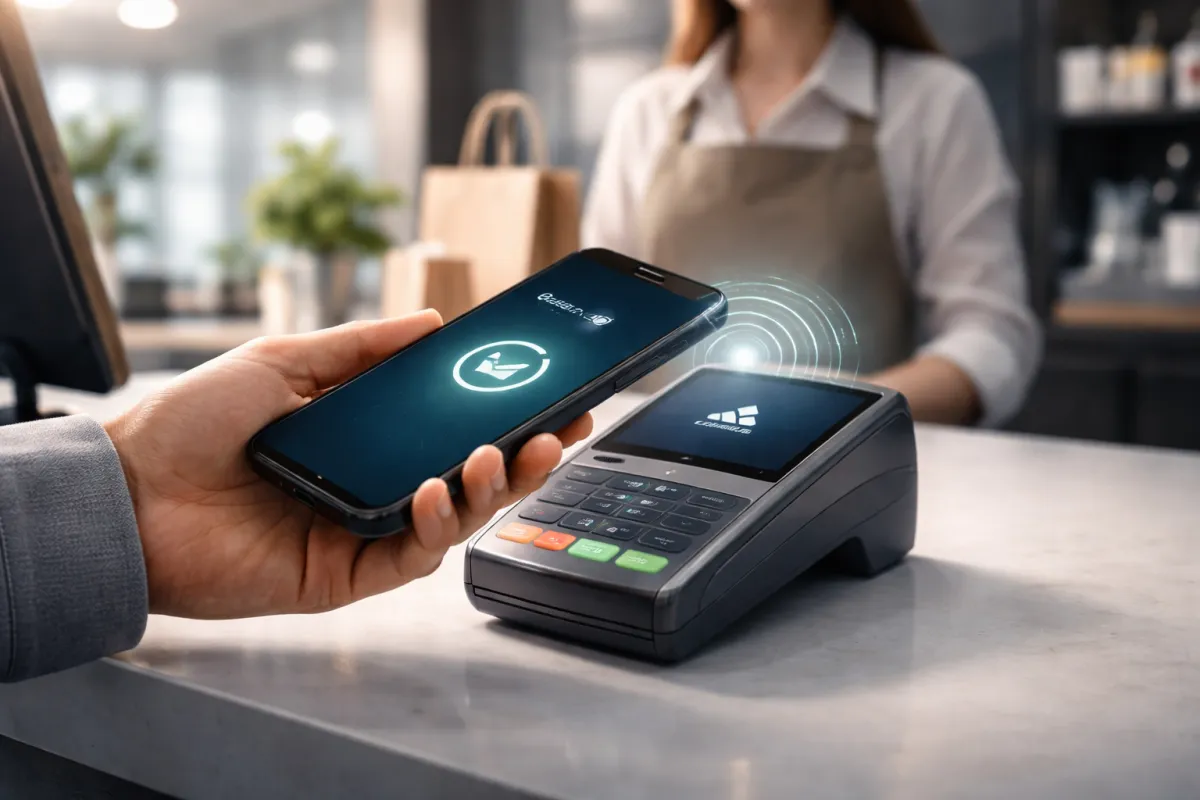
If I run a modern business, I can no longer treat contactless payments like a nice extra. At this point, Tap to Pay is an expected part of checkout.
Customers do not want to dig for a card, wait for a terminal to respond slowly, or wonder whether their phone or wallet app will work. They want to tap and move on. And from a business perspective, that expectation matters because checkout speed, convenience, and customer confidence all affect sales.
For merchants evaluating Bridge Payment Processing, this is especially relevant. On its website, Bridge Payment Processing says it supports diverse payment acceptance, including major cards, digital wallets, and mobile payment methods, along with versatile hardware and software options, point-of-sale integrations, and modern equipment choices for growing businesses.
So when I talk about why contactless is no longer optional, I am really talking about customer behavior, operational efficiency, and whether a business is keeping up with how people actually want to pay.
Why Customer Expectations Have Changed?
A few years ago, contactless acceptance still felt like a competitive edge in some industries. Today, it feels much closer to a baseline expectation.
When customers walk into a store, restaurant, salon, or service business, many assume they will be able to pay with a tap, whether that means a contactless card, Apple Pay, or Google Pay. Bridge Payment Processing explicitly says its solutions help businesses accept digital wallets and mobile payment methods, which aligns directly with that shift in customer behavior.
From the customer’s point of view, contactless payment solves three things immediately:
it feels faster
it feels easier
it feels more modern
That combination is hard to ignore.
Slow Checkout Lines Cost More Than Most Merchants Realize
If I think about checkout only as the last step of the transaction, I miss the bigger picture. Checkout speed affects the full customer experience.
A slow payment process can create:
longer lines
more abandoned purchases
more pressure on staff
more frustration during busy periods
less confidence in the business overall
Bridge Payment Processing features customer feedback on its site, saying the platform made checkout “quicker and far more efficient,” and the company also positions itself around seamless integrations, user-friendly technology, and modern equipment.
That matters because speed at checkout is not just a convenience issue. It affects throughput. If I run a high-traffic environment like retail, quick-service food, hospitality, or multi-location service businesses, shaving time off each transaction can make a real difference over the course of a day.
Hygiene Still Matters to Customers
Even though the urgency around hygiene concerns may not look exactly the way it did a few years ago, many customers still prefer to touch less at checkout when they can.
Contactless payment helps reduce that friction. Tapping a card, phone, or wearable typically feels cleaner and simpler than repeatedly inserting cards, pressing terminal buttons, or passing payment devices back and forth.
For some customers, that is a small preference. For others, it is a meaningful expectation. Either way, it adds to the broader appeal of contactless acceptance.
Why Tap to Pay Feels Better for Customers?
The reason contactless keeps growing is simple: it removes effort.
If I am a customer, I do not have to:
search for the right card
insert and wait
hand over my card
second-guess whether mobile wallet payments are accepted
spend extra time standing at the counter
Instead, I just tap and go.
Bridge Payment Processing says it provides businesses with solutions that accept digital wallets and mobile payments, along with user-friendly and reliable technology options.
That matters because the best payment technology often feels almost invisible to the customer. The transaction happens quickly, smoothly, and with very little thought. That is usually a sign that the setup is doing its job.
Contactless Is Not Just for Big Brands Anymore
One of the biggest mistakes I see is smaller merchants assuming contactless is mostly a chain-store feature.
That is no longer true.
Today, customer expectations do not change based on how big the business is. A local café, barbershop, boutique, dental office, food counter, liquor store, fitness studio, or convenience retailer is being compared to every other modern checkout experience the customer has had. If bigger businesses offer Tap to Pay, local businesses are judged against that standard too.
Bridge Payment Processing positions itself as a provider for businesses of all sizes and says its solutions are designed to scale from a merchant’s first transaction to its millionth.
So for small and mid-sized businesses, contactless is not about imitating enterprise retail. It is about meeting current customer expectations.
Apple Pay and Google Pay Are Part of the Conversation Now
When customers ask whether you accept Apple Pay or Google Pay, they are not asking about a futuristic feature. They are asking whether your checkout is current.
Bridge Payment Processing states on its website that merchants can accept digital wallets and mobile payment methods, which directly supports Apple Pay and Google Pay style expectations in the market.
From my perspective, that matters because digital wallets are no longer a side option. For many customers, their phone is their wallet. If a merchant cannot accept that behavior, the business is adding friction where it does not need to.
Why Modern Equipment Matters?
A business cannot offer a great contactless experience on outdated hardware.
That is why equipment matters just as much as merchant account pricing. If the terminal is old, clunky, slow, or not built for NFC-enabled payments, then the customer experience suffers no matter how good the underlying processing relationship is.
Bridge Payment Processing highlights The Industry’s Best Equipment & Software, versatile hardware and software options, and user-friendly & reliable technology options on its website. It also lists products across terminals, POS systems, and mobile devices.
That positioning is important because contactless acceptance depends on having the right tools in place, not just the right intentions.
NFC-Enabled Terminals Are a Practical Upgrade, Not a Luxury
This is the heart of the issue.
If I want to support Tap to Pay properly, I need modern payment equipment with contactless capability. That usually means NFC-enabled terminals or mobile-capable payment devices that support tap transactions and digital wallets.
Bridge Payment Processing does not just describe itself as a processor. It also emphasizes hardware choice, software compatibility, mobile card processing, and a broad equipment portfolio through terminals, POS systems, and mobile devices.
For merchants, that matters because the right equipment can help solve several problems at once:
reduce checkout friction
improve line speed
support Apple Pay and Google Pay style payments
modernize the counter experience
make staff training easier
support future growth across channels
Contactless Helps High-Volume Businesses the Most
Any business can benefit from Tap to Pay, but the impact becomes especially clear in environments where speed matters constantly.
I think about places like:
coffee shops
quick-service restaurants
retail counters
bars
salons and barbershops
convenience stores
multi-location restaurant groups
service businesses on the move
Bridge Payment Processing includes a testimonial from a multi-location restaurant group manager who said the company’s cutting-edge payment technology had been crucial for growth, and another customer review notes that the integration made checkout quicker and more efficient.
That fits the real-world pattern. The more transactions a business handles, the more valuable streamlined checkout becomes.
Contactless Also Supports a Better Brand Experience
The payment moment may only last a few seconds, but it influences how modern and organized the business feels.
If the terminal is slow, confusing, or missing common payment options, customers notice. If the business accepts tap payments quickly and smoothly, customers also notice — even if they do not consciously think about it.
That is why I see contactless as both an operational improvement and a brand experience improvement. It signals that the business is current, customer-friendly, and ready for how people prefer to pay.
Why Some Businesses Still Delay the Upgrade?
Even now, some merchants wait too long to modernize because they assume:
their current terminal is “good enough”
customers will adapt
upgrading equipment is too complicated
mobile wallets are still niche
contactless is optional
The problem is that these assumptions get weaker every year.
Bridge Payment Processing’s own site emphasizes easy-to-use technology, dedicated support, broad compatibility, and simplified management tools through its Bridge Command Center.
That suggests the transition does not have to be messy if the provider is set up to support merchants with the right equipment and integrations.
Contactless Is Part of a Bigger Omnichannel Shift
I also think it is important to see Tap to Pay as part of a wider payment trend.
Customers move between in-store, mobile, online, and digital-wallet behaviors constantly. They do not separate those experiences the way businesses sometimes do. They just expect payment to work in the format they prefer.
Bridge Payment Processing positions itself around omnichannel-style capabilities, including retail acceptance, online platforms, e-commerce, mobile devices, POS integrations, and multiple payment methods.
So a business that upgrades to contactless is not only solving today’s checkout speed issue. It is also moving closer to a more modern, flexible payment environment overall.
What I Would Look for in a Contactless Payment Partner?
If I were choosing a provider specifically to support Tap to Pay, I would want a few things clearly in place:
NFC-enabled terminals or contactless-ready equipment
support for digital wallets and mobile payments
fast, user-friendly devices
software compatibility with my current setup
POS integration if needed
reliable reporting and management tools
support during setup and scaling
Based on its site, Bridge Payment Processing checks several of those boxes through its messaging around digital wallet acceptance, mobile payment methods, versatile hardware and software options, point-of-sale integrations, advanced reporting, and cloud-based management through the Bridge Command Center.
That makes it relevant for merchants who want to modernize the checkout experience instead of simply processing cards the same way they did years ago.
How Bridge Payment Processing Fits This Conversation?
Bridge Payment Processing’s website consistently presents the business as a modern payments partner, not just a basic processor. It highlights:
digital wallet and mobile payment acceptance
seamless point-of-sale integrations
broad software compatibility
mobile card processing
industry-best equipment and software
versatile hardware options
user-friendly technology
real-time reporting and analytics through the Bridge Command Center
For a merchant trying to reduce slow lines and meet customer demand for Apple Pay, Google Pay, and Tap to Pay, that positioning matters. The conversation is no longer only about rate sheets. It is about whether the checkout experience is keeping up with customer behavior.
Final Thoughts
If I had to put it simply, Tap to Pay is no longer optional because customer expectations have already moved past the point where contactless feels like a bonus.
People want faster checkout. They want less friction. They want modern payment options. And many of them expect Apple Pay, Google Pay, and other contactless methods to work the moment they reach the counter.
For merchants, that means the old approach of waiting until a terminal breaks or a customer complains is not good enough anymore. Modern checkout requires modern equipment.
Bridge Payment Processing’s site makes that case well through its focus on digital wallet acceptance, mobile payment methods, versatile hardware, POS integrations, and user-friendly technology designed for modern businesses.
If checkout speed, customer convenience, and a more current payment experience matter to the business, contactless should already be part of the plan.
