How to Win Chargeback Disputes & Protect Your Revenue? | Payment Bridge Processing
In my years helping merchants navigate the choppy waters of the payments industry, I’ve seen one issue keep business owners up at night more than any other: chargebacks. It’s a gut punch. You’ve done the work, shipped the product, and provided the service only to see that revenue ripped back out of your account weeks later. And with the rise of "friendly fraud" in 2026, the game has changed. But here’s the good news: at Payment Bridge Processing, we’ve seen that merchants who are proactive and data-driven don't just survive disputes, they win them.
Here is my masterclass on understanding, winning, and preventing chargebacks in the current landscape.
1. The Anatomy of a Modern Dispute
A chargeback isn’t just a refund; it’s a forced reversal by the card-issuing bank. In 2026, the process is faster than ever. Once a customer disputes a charge, the funds are usually pulled immediately, and the "clock" starts ticking for your response.
There are three main culprits:
True Fraud: A stolen card was used. These are hard to win, so prevention (via 3D Secure and AVS) is your only real defense.
Merchant Error: You shipped the wrong item or billed twice. Admission of fault and a quick refund are usually better than fighting these.
Friendly Fraud: This is the big one. A customer recognizes the charge but claims they didn't authorize it, or says the item never arrived (despite proof). This is where you win.
2. How to Win: The "Representment" Strategy
When you decide to fight a chargeback, you are "representing" the transaction to the bank. To win in 2026, your rebuttal needs to be surgical.
The Golden Rule: Evidence is Everything. Under the latest Visa Compelling Evidence 3.0 rules, you have a much higher chance of winning if you can prove a history of legitimate transactions with the same customer. Here is what I recommend including in every dispute package:
The Digital Paper Trail: IP addresses, device IDs, and timestamps of the purchase.
Proof of Delivery: A signed delivery receipt or GPS confirmation from the carrier.
Communication Logs: Screenshots of emails or chat logs showing the customer was satisfied or asking about the product.
The "Compelling Evidence" Punch: If this customer has successfully purchased from you at least twice in the last 12 months without a dispute, highlight that! It’s often an automatic win under current network rules.
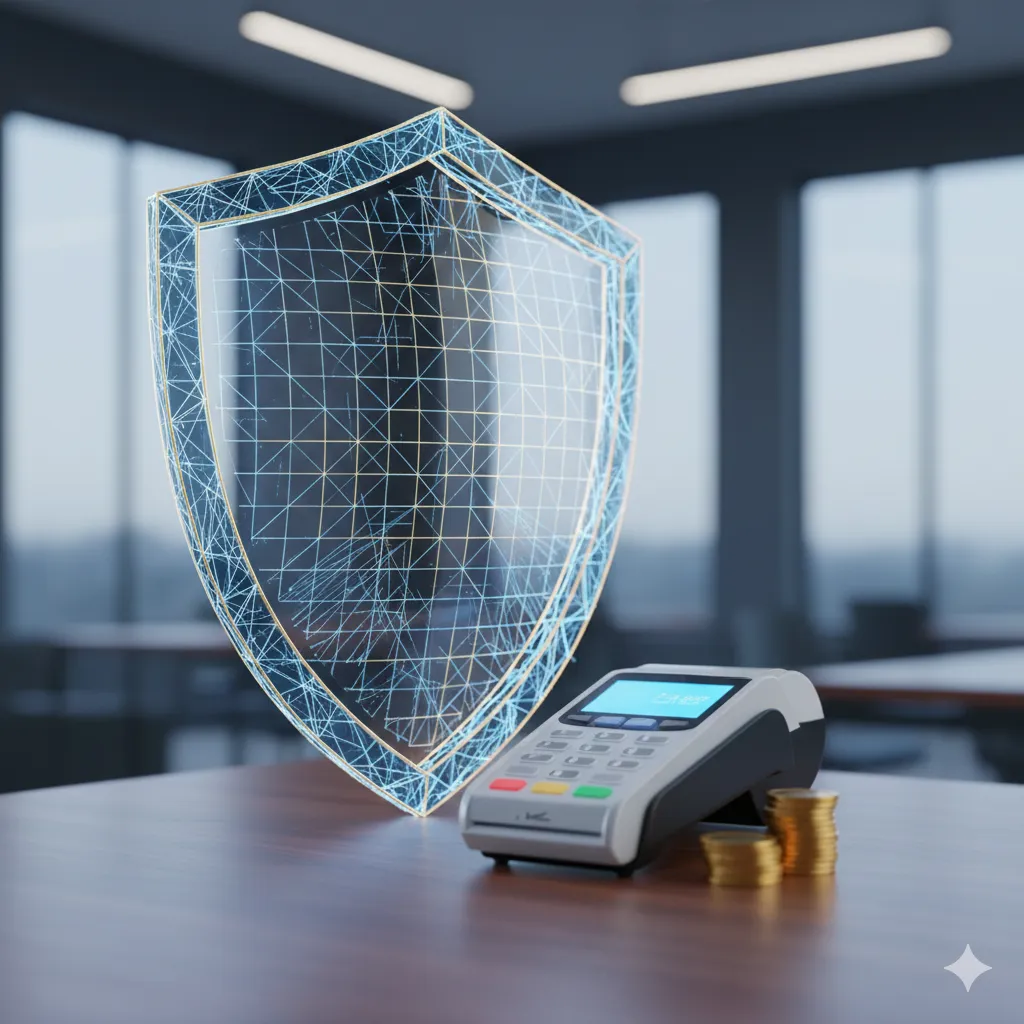
3. Prevention: Building a Chargeback Shield
The best way to win a dispute is to never have one. Here’s how we help our clients at Payment Bridge Processing shore up their defenses:
Clear Billing Descriptors: Does your bank statement say "PBP-SHOP" or "Payment Bridge Processing"? If the customer doesn't recognize the name, they hit the "dispute" button. Make it crystal clear.
Real-Time Alerts: Use tools like Ethoca or Verifi. These give you a "heads up" before a dispute becomes a formal chargeback, allowing you to refund the customer and avoid the fee.
Strict Return Policies: Make sure your "Refund & Return" policy is visible at checkout. A "checked box" agreement is a powerful piece of evidence in a dispute.
FAQs
What is the time limit for a merchant to respond to a chargeback in 2026?
Typically, merchants have 10 to 14 days to respond to a dispute, though this can vary by card network. Missing this window results in an automatic loss.
How does "friendly fraud" differ from regular fraud?
Friendly fraud occurs when a legitimate cardholder makes a purchase but later disputes it with their bank, often to get a "free" product or because they forgot about the subscription.
Can I charge a customer a fee if I win the chargeback?
While you can't technically "fine" them through the card network, many merchants include terms of service that allow them to ban the customer or seek collection of the debt through other legal means.
The Bottom Line
Chargebacks are a cost of doing business, but they shouldn't be a drain on your sanity. By staying organized and leveraging the right technology, you can protect your hard-earned revenue.
